Uncover the Value of a 1937 Liberty Dime: A Collector's Guide
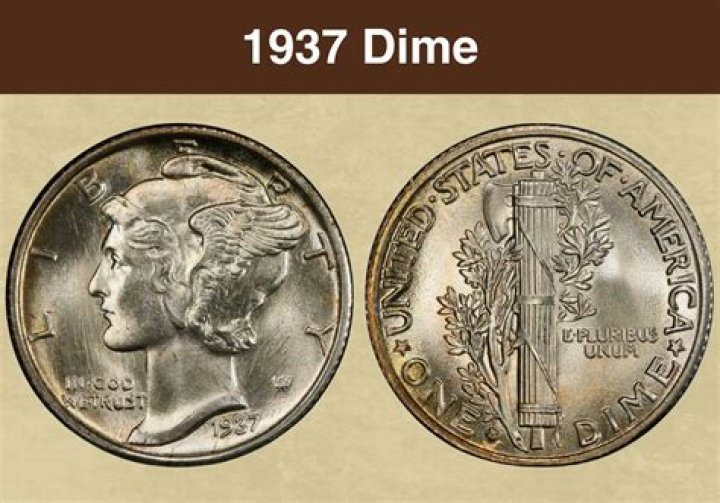
What is the 1937 Liberty Dime Value?
The 1937 Liberty Dime is a silver coin minted by the United States Mint. It was designed by Adolph Weinman and features a portrait of Liberty on the obverse and an eagle in flight on the reverse. The 1937 Liberty Dime is a popular coin among collectors, and its value can vary depending on its condition and rarity.
The most common 1937 Liberty Dime is the business strike, which was minted in large quantities for circulation. These coins are typically worth between $1 and $5 in good condition. However, there are also several rare varieties of the 1937 Liberty Dime, which can be worth significantly more. For example, the 1937-D Liberty Dime, which was minted at the Denver Mint, is a key date variety that is worth around $200 in good condition.
The 1937 Liberty Dime is a beautiful and historic coin that is a popular choice for collectors. Its value can vary depending on its condition and rarity, but even the most common varieties are worth a premium over their face value.
Here are some additional details about the 1937 Liberty Dime:
- Mintage: 131,900,000
- Composition: 90% silver, 10% copper
- Weight: 2.5 grams
- Diameter: 17.9 millimeters
The 1937 Liberty Dime is a valuable coin that is a great addition to any collection.
1937 Liberty Dime Value
The 1937 Liberty Dime is a valuable coin that is a great addition to any collection. Its value is determined by a number of factors, including its condition, rarity, and mint mark. Here are six key aspects that affect the value of a 1937 Liberty Dime:
- Condition
- Rarity
- Mint mark
- Strike
- Luster
- Eye appeal
The condition of a coin is one of the most important factors that determines its value. Coins that are in good condition are worth more than coins that are damaged or worn. The rarity of a coin also affects its value. Coins that were minted in small quantities are worth more than coins that were minted in large quantities. The mint mark on a coin indicates where it was minted. Coins that were minted at the Philadelphia Mint are worth more than coins that were minted at other mints. The strike of a coin refers to the quality of the impression on the coin. Coins that have a strong strike are worth more than coins that have a weak strike. The luster of a coin refers to the shine on the coin's surface. Coins that have a lot of luster are worth more than coins that have little or no luster. The eye appeal of a coin is a subjective factor that refers to how attractive the coin is. Coins that have good eye appeal are worth more than coins that have poor eye appeal.
All of these factors must be considered when determining the value of a 1937 Liberty Dime. A coin that is in good condition, is rare, has a desirable mint mark, has a strong strike, has a lot of luster, and has good eye appeal is worth more than a coin that is in poor condition, is common, has an undesirable mint mark, has a weak strike, has little or no luster, and has poor eye appeal.
1. Condition
The condition of a coin is one of the most important factors that determines its value. This is especially true for the 1937 Liberty Dime, which is a popular coin among collectors. Coins that are in good condition are worth more than coins that are damaged or worn.
- Uncirculated
Uncirculated coins are coins that have never been circulated. They are the most valuable type of coin, and they are often worth a premium over their face value. Uncirculated 1937 Liberty Dimes are worth at least $10, and they can be worth much more depending on their grade.
- Extremely Fine
Extremely Fine coins are coins that have been circulated, but they show very little wear. They are almost as valuable as Uncirculated coins, and they are worth a premium over their face value. Extremely Fine 1937 Liberty Dimes are worth at least $5, and they can be worth much more depending on their grade.
- Fine
Fine coins are coins that have been circulated, and they show some wear. They are worth less than Uncirculated and Extremely Fine coins, but they are still worth a premium over their face value. Fine 1937 Liberty Dimes are worth at least $1, and they can be worth much more depending on their grade.
- Good
Good coins are coins that have been circulated, and they show significant wear. They are worth less than Uncirculated, Extremely Fine, and Fine coins, but they are still worth more than their face value. Good 1937 Liberty Dimes are worth at least $0.50, and they can be worth much more depending on their grade.
The condition of a 1937 Liberty Dime is an important factor to consider when determining its value. Coins that are in good condition are worth more than coins that are damaged or worn. When buying or selling a 1937 Liberty Dime, it is important to have the coin graded by a professional coin grading service.
2. Rarity
Rarity is one of the most important factors that determines the value of a coin. This is especially true for the 1937 Liberty Dime, which was minted in relatively small quantities. The following are four key factors that affect the rarity of a 1937 Liberty Dime:
- Mint mark
The mint mark on a coin indicates where it was minted. The 1937 Liberty Dime was minted at three different mints: Philadelphia, Denver, and San Francisco. Coins that were minted at the Philadelphia Mint are the most common, followed by coins that were minted at the Denver Mint. Coins that were minted at the San Francisco Mint are the rarest.
- Mintage
The mintage of a coin refers to the number of coins that were minted. The 1937 Liberty Dime was minted in relatively small quantities, with a total mintage of just over 131 million coins. This makes the 1937 Liberty Dime a relatively rare coin.
- Hoarding
Hoarding is the act of accumulating and storing coins. When coins are hoarded, they are taken out of circulation and become unavailable to collectors. This can make coins more rare and valuable.
- Melting
Melting is the process of converting coins into bullion. When coins are melted, they are destroyed and become unavailable to collectors. This can also make coins more rare and valuable.
All of these factors must be considered when determining the rarity of a 1937 Liberty Dime. A coin that has a desirable mint mark, a low mintage, and has been hoarded or melted is more rare and valuable than a coin that does not have these characteristics.
3. Mint mark
The mint mark on a coin is a small letter or symbol that indicates where the coin was minted. The mint mark is an important factor that can affect the value of a coin, especially for rare coins.
The 1937 Liberty Dime was minted at three different mints: Philadelphia, Denver, and San Francisco. The Philadelphia Mint is the largest and most well-known mint in the United States, and coins minted there are typically the most common and least valuable. The Denver Mint and the San Francisco Mint are smaller and less well-known, and coins minted at these mints are typically more rare and valuable.
The mint mark on a 1937 Liberty Dime can be found on the reverse of the coin, below the eagle. The mint mark for the Philadelphia Mint is a small "P", the mint mark for the Denver Mint is a small "D", and the mint mark for the San Francisco Mint is a small "S".
The mint mark is an important factor to consider when determining the value of a 1937 Liberty Dime. Coins that were minted at the Denver Mint or the San Francisco Mint are more rare and valuable than coins that were minted at the Philadelphia Mint. This is because coins that were minted at the Denver Mint and the San Francisco Mint were minted in smaller quantities than coins that were minted at the Philadelphia Mint.
For example, the 1937-D Liberty Dime, which was minted at the Denver Mint, is a key date variety that is worth around $200 in good condition. The 1937-S Liberty Dime, which was minted at the San Francisco Mint, is also a key date variety and is worth around $150 in good condition.
When buying or selling a 1937 Liberty Dime, it is important to pay attention to the mint mark. Coins that were minted at the Denver Mint or the San Francisco Mint are more rare and valuable than coins that were minted at the Philadelphia Mint.
4. Strike
The strike of a coin is a measure of the quality of the impression on the coin. A coin with a strong strike has sharp, well-defined details, while a coin with a weak strike has weak, mushy details. The strike of a coin is determined by a number of factors, including the condition of the dies, the pressure applied to the dies, and the speed at which the dies are struck.
- Die condition
The condition of the dies is one of the most important factors that affects the strike of a coin. Dies that are in good condition will produce coins with sharp, well-defined details. Dies that are worn or damaged will produce coins with weak, mushy details.
- Pressure
The pressure that is applied to the dies is another important factor that affects the strike of a coin. Dies that are struck with a lot of pressure will produce coins with sharp, well-defined details. Dies that are struck with less pressure will produce coins with weak, mushy details.
- Speed
The speed at which the dies are struck is also a factor that affects the strike of a coin. Dies that are struck quickly will produce coins with sharp, well-defined details. Dies that are struck slowly will produce coins with weak, mushy details.
The strike of a coin is an important factor that affects its value. Coins with a strong strike are worth more than coins with a weak strike. This is because coins with a strong strike are more attractive and desirable to collectors.
When buying or selling a 1937 Liberty Dime, it is important to pay attention to the strike of the coin. Coins with a strong strike are worth more than coins with a weak strike.
5. Luster
Luster is the shine on the surface of a coin. It is caused by the reflection of light from the surface of the coin. Luster is an important factor in determining the value of a coin, especially for coins that are made of silver or gold.
The luster on a 1937 Liberty Dime is caused by the reflection of light from the surface of the coin. The luster on a 1937 Liberty Dime can be affected by a number of factors, including the condition of the coin, the way the coin was stored, and the environment in which the coin was stored.
Coins that are in good condition will have more luster than coins that are damaged or worn. Coins that have been stored in a humid environment will have less luster than coins that have been stored in a dry environment. Coins that have been stored in a safe place will have more luster than coins that have been stored in a place where they are exposed to the elements.
The luster on a 1937 Liberty Dime is an important factor in determining its value. Coins with a lot of luster are worth more than coins with little or no luster. This is because coins with a lot of luster are more attractive and desirable to collectors.
When buying or selling a 1937 Liberty Dime, it is important to pay attention to the luster of the coin. Coins with a lot of luster are worth more than coins with little or no luster.
6. Eye appeal
Eye appeal is a subjective factor that refers to how attractive a coin is. It is based on a number of factors, including the coin's condition, strike, luster, and overall appearance. Eye appeal is an important factor in determining the value of a coin, especially for rare coins.
- Strike
The strike of a coin is a measure of the quality of the impression on the coin. A coin with a strong strike has sharp, well-defined details, while a coin with a weak strike has weak, mushy details. The strike of a coin is an important factor in determining its eye appeal.
- Luster
Luster is the shine on the surface of a coin. It is caused by the reflection of light from the surface of the coin. Luster is an important factor in determining the eye appeal of a coin.
- Color
The color of a coin can also affect its eye appeal. Some collectors prefer coins with a certain color, such as golden or rainbow toning. The color of a coin is often determined by its age, composition, and storage conditions.
- Overall appearance
The overall appearance of a coin is also a factor in its eye appeal. This includes the coin's condition, strike, luster, color, and any other factors that affect its appearance.
Eye appeal is an important factor in determining the value of a 1937 Liberty Dime. Coins with good eye appeal are worth more than coins with poor eye appeal. This is because coins with good eye appeal are more attractive and desirable to collectors.
When buying or selling a 1937 Liberty Dime, it is important to pay attention to the eye appeal of the coin. Coins with good eye appeal are worth more than coins with poor eye appeal.
1937 Liberty Dime Value FAQs
This section addresses frequently asked questions (FAQs) about the value of 1937 Liberty Dimes, providing concise and informative answers to common queries and misconceptions.
Question 1: How much is a 1937 Liberty Dime worth?
The value of a 1937 Liberty Dime varies depending on its condition, rarity, and mint mark. Common examples in good condition can range from $1 to $5, while rare varieties like the 1937-D Liberty Dime can be valued around $200 or more.
Question 2: What factors affect the value of a 1937 Liberty Dime?
Factors influencing its value include the coin's condition (preservation level), rarity (mintage quantity and availability), mint mark (location of production), strike (quality of the imprinted design), luster (surface shine), and eye appeal (overall attractiveness).
Question 3: How can I determine the condition of my 1937 Liberty Dime?
Assessing the coin's condition requires examining its surfaces for any damage, wear, or imperfections. Grading services can professionally evaluate and assign a numerical or alphabetical grade based on established condition standards.
Question 4: Where can I find more information about the 1937 Liberty Dime?
Numismatic resources, coin collecting websites, and reputable dealers provide valuable information on the history, mintage, and current market value of the 1937 Liberty Dime.
Question 5: What is the historical significance of the 1937 Liberty Dime?
The 1937 Liberty Dime, designed by Adolph Weinman, holds historical significance as one of the last US dimes struck with a high silver content (90%) before the switch to a silver alloy during World War II.
Remember that these FAQs provide general guidance, and consulting with a professional numismatist or coin dealer is recommended for accurate appraisals and up-to-date market information.
Continue reading to explore additional aspects related to the 1937 Liberty Dime's value.
Conclusion
In summary, the value of a 1937 Liberty Dime is determined by a multitude of factors that encompass its condition, rarity, mint mark, strike, luster, and eye appeal. Understanding these factors allows for informed evaluations and accurate assessments of these historic coins.
As a significant collectible in numismatics, the 1937 Liberty Dime represents a tangible piece of American history and remains a sought-after acquisition for collectors and investors alike. Its enduring appeal and historical importance contribute to its enduring value and allure within the coin collecting community.