The Ultimate Guide to Investing in Bourbon Barrels
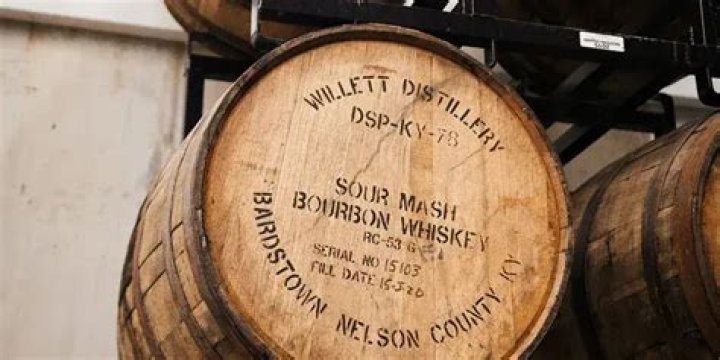
What is bourbon barrel investment and how can it benefit you?
Bourbon barrel investment is a unique and exciting way to invest in the bourbon industry. By purchasing a barrel of bourbon from a distillery, you can age it for a period of time and then sell it for a profit. This can be a great way to diversify your portfolio and potentially earn a high return on your investment.
There are many benefits to investing in bourbon barrels. First, bourbon is a high-demand commodity. The global demand for bourbon has been growing steadily for years, and it is expected to continue to grow in the future. This means that there is a strong market for bourbon barrels, and you can be confident that you will be able to sell your barrel for a profit.
Second, bourbon barrels are a relatively low-risk investment. The bourbon industry is well-established, and there is a strong demand for bourbon. This means that you are unlikely to lose money on your investment.
Third, bourbon barrels are a fun and exciting investment. You can track the progress of your barrel as it ages, and you can even visit the distillery to see your barrel in person. This can be a great way to learn about the bourbon industry and to make new friends.
If you are interested in investing in bourbon barrels, there are a few things you should keep in mind. First, you need to find a reputable distillery to purchase your barrel from. There are many distilleries that sell barrels to investors, so it is important to do your research and find a distillery that you trust.
Once you have found a distillery, you need to decide how long you want to age your barrel. The longer you age your barrel, the more valuable it will become. However, you need to be patient, as it can take several years for a barrel of bourbon to reach its full potential.
Finally, you need to find a buyer for your barrel when it is ready to be sold. There are many ways to sell a barrel of bourbon, so you should start marketing your barrel early on. You can sell your barrel to a private collector, a restaurant, or a bar. You can also sell your barrel through an auction house.
Bourbon barrel investment is a great way to diversify your portfolio and potentially earn a high return on your investment. If you are interested in learning more about bourbon barrel investment, there are many resources available online. You can also visit a distillery to learn more about the process of aging bourbon.
Bourbon Barrel Investment
Bourbon barrel investment involves the purchase and aging of bourbon barrels for potential profit. Key aspects to consider include:
- Barrel Selection: Choosing the right barrels is crucial, as the quality of the bourbon depends on factors like wood type and char level.
- Aging Duration: The aging period significantly impacts the bourbon's flavor and value, with longer aging generally leading to higher returns.
- Storage Conditions: Proper storage, including temperature and humidity control, is essential for maintaining the bourbon's quality.
- Market Demand: Understanding market trends and consumer preferences is important for determining the potential value of the bourbon.
- Investment Strategy: Investors should consider their financial goals and risk tolerance when deciding on the number of barrels to purchase and the aging timeline.
- Tax Implications: Bourbon barrel investments may have tax implications, so consulting with a financial advisor is recommended.
- Exit Strategy: Planning for the eventual sale of the bourbon, whether through private sale, auction, or to a distillery, is crucial to maximize returns.
These aspects are interconnected, as barrel selection, aging duration, and storage conditions all contribute to the bourbon's quality and value. Market demand and investment strategy determine the potential return on investment, while tax implications and exit strategy impact the overall financial outcome. Understanding and carefully considering these aspects can enhance the chances of a successful bourbon barrel investment.
1. Barrel Selection
In the context of bourbon barrel investment, barrel selection plays a pivotal role in determining the quality and, consequently, the value of the bourbon produced. The type of wood used for the barrel, as well as the level of charring applied to its interior, significantly influences the bourbon's flavor profile, aroma, and overall character.
- Wood Type: The most common wood used for bourbon barrels is American white oak, known for its tight grain and ability to impart distinct flavors and aromas to the bourbon. Other types of wood, such as red oak or maple, may also be used, resulting in unique flavor profiles.
- Char Level: The charring process involves exposing the inside of the barrel to high heat, creating a layer of charred wood. Different char levels, ranging from light to heavy, impart varying degrees of smokiness, caramel, and vanilla notes to the bourbon.
Understanding the nuances of barrel selection is crucial for investors as it directly impacts the potential return on their investment. Barrels that produce high-quality bourbon with desirable flavor characteristics are more likely to command a premium price, ultimately increasing the investor's profit.
2. Aging Duration
In the realm of bourbon barrel investment, aging duration holds immense significance. The extended aging process allows the bourbon to mature and develop complex flavor profiles, contributing to its increased value and desirability among connoisseurs and collectors.
- Flavor Development: As bourbon ages, it undergoes a series of chemical reactions that enhance its flavor characteristics. Extended aging allows for a deeper extraction of flavors from the charred oak barrels, resulting in a richer, smoother, and more nuanced taste profile.
- Rarity and Collectibility: Aged bourbons, particularly those aged for extended periods, become increasingly rare and sought-after by collectors. The limited availability of these older vintages drives up their value, making them highly desirable investments.
- Maturation and Complexity: Over time, the bourbon mellows and matures, shedding its initial harshness and developing a more balanced and harmonious flavor profile. Extended aging allows for the bourbon's various components to meld seamlessly, creating a complex and sophisticated spirit.
- Investment Potential: The aging process directly influences the bourbon's market value. Generally, longer aging translates to higher returns on investment, as aged bourbons command a premium price due to their superior quality and rarity.
Understanding the connection between aging duration and bourbon barrel investment is crucial for maximizing returns. By selecting barrels with optimal aging potential and allowing them to mature over extended periods, investors can acquire valuable assets that appreciate in value over time.
3. Storage Conditions
In the context of bourbon barrel investment, storage conditions play a pivotal role in preserving the quality and value of the bourbon. Improper storage can lead to deterioration of the bourbon's flavor profile and a diminished return on investment.
Temperature Control: Bourbon should be stored at a consistent temperature between 55-65F (13-18C). Extreme temperature fluctuations can cause the bourbon to expand and contract, potentially damaging the barrel and compromising the bourbon's quality.
Humidity Control: Maintaining optimal humidity levels (55-65%) is crucial to prevent the bourbon from evaporating too quickly or becoming diluted. Excessive evaporation can result in a loss of flavor and alcohol content, while too much humidity can promote mold growth and other undesirable effects.
Properly storing bourbon barrels in climate-controlled warehouses or facilities ensures their integrity and allows the bourbon to age gracefully, developing a rich and complex flavor profile. By understanding the importance of storage conditions, investors can safeguard their investment and maximize the potential return on their bourbon barrel investment.
Real-Life Example: A study conducted by the University of Kentucky showed that bourbon stored at a constant temperature of 60F (15.5C) and 60% humidity exhibited significantly better flavor characteristics and quality compared to bourbon stored under fluctuating temperature and humidity conditions.
Practical Significance: Ensuring proper storage conditions for bourbon barrels is a crucial aspect of bourbon barrel investment. By adhering to these conditions, investors can protect their investment, preserve the bourbon's quality, and ultimately increase its value and desirability in the marketplace.
4. Market Demand
In the context of bourbon barrel investment, understanding market demand is crucial for assessing the potential value and return on investment. Market demand encompasses various factors that influence the desirability and value of bourbon, including:
- Consumer Preferences: Identifying and understanding the preferences of bourbon consumers, such as flavor profiles, brands, and age statements, is essential for selecting barrels that cater to market demand. Staying attuned to emerging trends and shifts in consumer tastes allows investors to make informed decisions and acquire barrels with high market value.
- Market Research: Conducting thorough market research provides valuable insights into the overall demand for bourbon, including regional variations, seasonal fluctuations, and competitive dynamics. This information helps investors gauge the potential demand for their bourbon barrels and make strategic investment decisions.
- Economic Indicators: Economic factors, such as consumer spending patterns and overall economic conditions, can influence the demand for luxury goods like bourbon. Monitoring economic indicators and understanding their potential impact on the bourbon market is crucial for assessing the potential return on investment.
By carefully considering market demand and aligning investment decisions with consumer preferences and market trends, investors can increase the likelihood of acquiring bourbon barrels that are in high demand and have the potential to generate substantial returns.
5. Investment Strategy
In the realm of bourbon barrel investment, devising a well-defined investment strategy is paramount to maximizing returns and mitigating risks. This strategy should align with an investor's financial goals and risk tolerance, considering factors such as:
- Investment Budget: Determining the amount of capital available for investment in bourbon barrels is crucial. Investors should carefully assess their financial situation and allocate funds accordingly, considering both the upfront investment and potential holding costs.
- Risk Tolerance: Bourbon barrel investment involves varying degrees of risk, depending on factors like aging duration and market conditions. Investors should evaluate their tolerance for risk and make investment decisions that align with their comfort level.
- Investment Timeline: The aging process for bourbon can take several years, impacting the investment timeline. Investors should consider their investment horizon and select barrels with aging timelines that complement their financial goals.
By carefully considering these factors and developing a tailored investment strategy, investors can make informed decisions regarding the number of barrels to purchase and the aging timeline. A well-defined strategy enhances the chances of achieving desired returns while managing potential risks.
Real-Life Example: An investor with a high risk tolerance and a long-term investment horizon may opt to purchase a larger number of barrels and allow them to age for an extended period. This strategy has the potential for higher returns but also carries a higher level of risk.
Practical Significance: Understanding the connection between investment strategy and bourbon barrel investment empowers investors to make strategic decisions that align with their financial goals and risk tolerance. By carefully considering these factors, investors can increase their chances of success in this unique and potentially lucrative investment.
6. Tax Implications
Understanding the tax implications associated with bourbon barrel investment is crucial for making informed financial decisions. Bourbon barrel investments can have both short-term and long-term tax implications that can impact the overall return on investment.
Short-Term Implications: When a barrel of bourbon is purchased, the investor may be subject to sales tax, depending on the state in which the purchase is made. Additionally, the investor may be responsible for excise taxes on the alcohol content of the bourbon.
Long-Term Implications: As the bourbon ages, its value appreciates. When the bourbon is eventually sold, the investor may be subject to capital gains tax on the profit earned. The tax rate will depend on the investor's individual tax bracket and the length of time the bourbon was held.
Consulting with a financial advisor is highly recommended to fully understand the tax implications of bourbon barrel investment. A financial advisor can help investors navigate the complex tax laws and minimize their tax liability.
Practical Significance: Understanding the tax implications of bourbon barrel investment can help investors make informed decisions about their investment strategy. By considering the potential tax implications, investors can avoid costly surprises and maximize their return on investment.
7. Exit Strategy
In the context of bourbon barrel investment, devising a well-defined exit strategy is paramount to maximizing returns and achieving investment goals. An exit strategy involves planning for the eventual sale of the bourbon, considering various factors that can impact the overall profitability of the investment.
The choice of exit strategy depends on several factors, including the investor's financial goals, the bourbon's aging timeline, and market conditions. Common exit strategies include:
- Private Sale: Selling the bourbon directly to a private collector or enthusiast. This option offers greater control over the sale price but may require a longer sales timeline.
- Auction: Consigning the bourbon to an auction house, where it will be sold to the highest bidder. Auctions can generate competitive prices but involve auction fees and commissions.
- Sale to a Distillery: Selling the bourbon back to the distillery from which it was purchased. This option may offer a convenient and guaranteed sale but may result in a lower return compared to other exit strategies.
By carefully considering the available exit strategies and aligning the choice with their investment objectives, investors can increase their chances of maximizing returns and successfully concluding their bourbon barrel investment journey.
Practical Significance: Understanding the importance of an exit strategy in bourbon barrel investment empowers investors to make informed decisions that align with their financial goals. By planning for the eventual sale of their bourbon, investors can proactively manage their investment and position themselves to achieve optimal returns.
Frequently Asked Questions about Bourbon Barrel Investment
Investing in bourbon barrels can be an exciting and potentially profitable venture, but it's essential to understand the key considerations before diving in. This FAQ section addresses some common questions and concerns to help you make informed decisions.
Question 1: What are the benefits of investing in bourbon barrels?
Investing in bourbon barrels offers several benefits, including potential for high returns, portfolio diversification, and the enjoyment of owning a tangible asset. Bourbon has a strong and growing demand, making it a sought-after commodity.
Question 2: How do I select the right bourbon barrels for investment?
Selecting the right bourbon barrels requires careful consideration of factors such as distillery reputation, barrel type, aging duration, and storage conditions. Research different distilleries, consult with experts, and visit the distillery to assess the barrels firsthand.
Question 3: What is the ideal aging period for bourbon barrels?
The optimal aging period for bourbon barrels depends on the desired flavor profile and investment goals. Generally, longer aging results in a smoother, more complex bourbon, but it also requires patience and higher storage costs.
Question 4: How do I store bourbon barrels properly?
Proper storage is crucial for maintaining the quality of bourbon barrels. They should be stored in a climate-controlled environment with consistent temperature and humidity levels to prevent evaporation and spoilage.
Question 5: What are the potential risks associated with bourbon barrel investment?
Like any investment, bourbon barrel investment carries certain risks. These include market fluctuations, changes in consumer preferences, and the potential for damage or loss during storage or transportation.
By understanding these key considerations and conducting thorough research, you can make informed decisions and potentially reap the benefits of bourbon barrel investment.
Transition to the next article section: Exploring the History and Evolution of Bourbon Barrel Investment
Conclusion
Bourbon barrel investment has emerged as a unique and potentially lucrative investment opportunity, offering a tangible asset with the potential for high returns. Understanding the key factors involved in selecting, aging, and storing bourbon barrels is crucial for maximizing investment outcomes.
The bourbon industry continues to grow, driven by increasing demand and consumer interest in premium spirits. As a result, bourbon barrel investment is expected to remain a sought-after asset class for investors seeking diversification and long-term appreciation.
By carefully considering the factors outlined in this article, investors can make informed decisions and potentially reap the benefits of bourbon barrel investment. Whether you're a seasoned investor or just starting out, the world of bourbon barrel investment offers an exciting opportunity to explore and potentially profit from the growing popularity of this American spirit.