Mel Schacher: The Legendary Bass Guitarist Behind Grand Funk Railroad
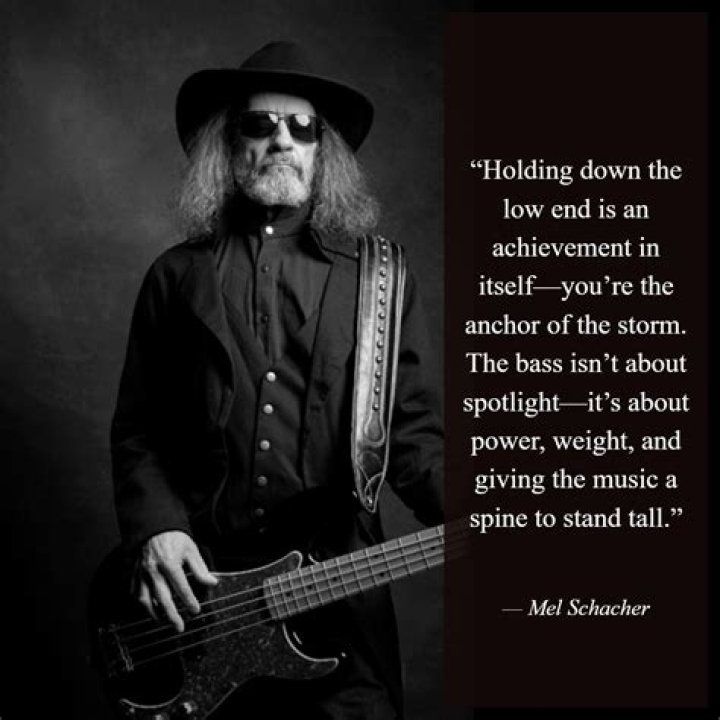
Mel Schacher, a name synonymous with the golden era of rock music, is best known as the bassist for the iconic American rock band Grand Funk Railroad. With his electrifying stage presence, innovative bass lines, and profound influence on the rock genre, Schacher has left an indelible mark on the world of music. His contribution to the band's success and his mastery of the bass guitar have earned him a place among the legends of rock.
Born with an innate talent and passion for music, Mel Schacher became a pivotal figure in shaping the sound of the 1970s rock scene. His distinct style, characterized by powerful riffs and dynamic grooves, set the foundation for many of Grand Funk Railroad's chart-topping hits. From sold-out stadiums to platinum records, Schacher's career is a testament to his dedication and artistry.
In this article, we dive into the life and legacy of Mel Schacher, exploring his biography, musical achievements, and his enduring influence on the rock industry. Whether you're a long-time fan or new to his work, join us on this journey to celebrate one of the most talented bassists in music history.
Biography of Mel Schacher
Mel Schacher is a legendary American bassist best known for his work with Grand Funk Railroad, a band that rose to prominence in the late 1960s and 1970s. With his commanding bass lines and stage charisma, Schacher played a significant role in shaping the band's sound and reputation. His career spans decades, and his contributions to rock music remain influential to this day.
Personal Details and Bio Data
| Full Name | Melvin George Schacher |
|---|---|
| Date of Birth | May 8, 1951 |
| Birthplace | Owosso, Michigan, USA |
| Profession | Bassist, Musician |
| Famous For | Grand Funk Railroad |
| Genre | Rock, Hard Rock |
Early Life and Musical Beginnings
Mel Schacher was born and raised in Michigan, where he developed a love for music at an early age. Growing up in a family that appreciated music, Schacher was inspired by the sounds of rock and jazz that surrounded him. His passion for the bass guitar emerged during his teenage years, and he quickly honed his skills to become a proficient player.
How Did Mel Schacher Join Grand Funk Railroad?
Mel Schacher's journey to joining Grand Funk Railroad began when he was invited by drummer Don Brewer and guitarist Mark Farner to form the band in 1968. At the time, Schacher was already making waves as the bassist for ? and the Mysterians. His decision to join Grand Funk Railroad was pivotal, as it marked the beginning of one of the most successful rock bands of the era.
Mel Schacher's Musical Style
Mel Schacher is celebrated for his distinctive musical style, which combines powerful bass lines with intricate rhythms. His playing is often described as energetic, innovative, and technically proficient. Schacher's ability to create memorable bass riffs has made him a standout musician in the rock genre.
What Are the Most Iconic Songs Featuring Mel Schacher?
Mel Schacher's contributions to Grand Funk Railroad include some of the band's most iconic hits. Here are a few songs where his bass playing shines:
- "We're an American Band"
- "Some Kind of Wonderful"
- "Closer to Home (I'm Your Captain)"
- "Inside Looking Out"
Mel Schacher's Impact on the Bass Guitar
Mel Schacher's innovative approach to the bass guitar has inspired countless musicians. His ability to blend rhythm and melody seamlessly has elevated the role of the bass in rock music. Schacher's work continues to be studied and admired by aspiring bassists worldwide.
Personal Life and Bio Data
Beyond his music career, Mel Schacher has led a relatively private life. He has remained dedicated to his craft and continues to inspire fans with his passion for music. Despite his fame, Schacher values his privacy and focuses on his artistry.
Awards and Recognition
Throughout his career, Mel Schacher has received numerous accolades for his contributions to rock music. Grand Funk Railroad's success, including multiple gold and platinum albums, stands as a testament to his talent and hard work.
What Makes Mel Schacher a Bass Legend?
Mel Schacher's unique style, technical prowess, and ability to create unforgettable bass lines have cemented his status as a bass legend. His influence extends beyond his work with Grand Funk Railroad, inspiring a new generation of musicians.
Mel Schacher's Gear and Setup
Mel Schacher is known for his distinctive bass tone, achieved through his choice of gear and setup. He has used a variety of bass guitars and amplifiers throughout his career, each contributing to his signature sound.
What Is Mel Schacher Doing Today?
As of today, Mel Schacher continues to be involved in music, although on a more limited scale. He occasionally participates in reunion tours and events with Grand Funk Railroad, delighting fans with his timeless performances.
Mel Schacher's Net Worth and Financial Success
Mel Schacher's success with Grand Funk Railroad has contributed significantly to his financial stability. His net worth is a reflection of his successful career in the music industry, including album sales, tours, and royalties.
Influence on Modern Bassists
The influence of Mel Schacher on modern bassists cannot be overstated. His work has inspired countless musicians to take up the bass guitar and explore its potential as a lead instrument in rock music.
Why Is Mel Schacher Still Relevant in Rock History?
Mel Schacher's contributions to rock music have stood the test of time. His innovative bass lines, stage presence, and musical talent continue to resonate with fans and musicians alike, ensuring his place in rock history.
Frequently Asked Questions About Mel Schacher
Here are some common questions about Mel Schacher:
- What is Mel Schacher's most famous song? - "We're an American Band" is one of his most iconic tracks.
- Is Mel Schacher still performing? - Yes, he occasionally performs with Grand Funk Railroad.
- What makes Mel Schacher's bass playing unique? - His ability to blend rhythm and melody in dynamic ways.