آلپ ناوروز در عشق حرف حالیش نیست: A Journey into the Heart of Love
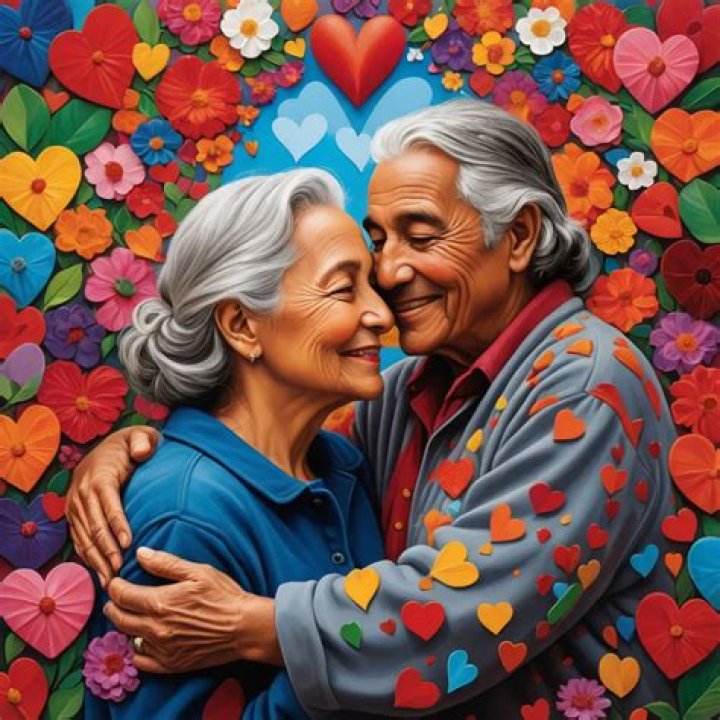
آلپ ناوروز در عشق حرف حالیش نیست is a phrase that resonates deeply with enthusiasts of Persian literature and romantic poetry. This article delves into the essence of this phrase, exploring its significance, cultural context, and the underlying themes of love that permeate it. The beauty of love and its complexities are often captured in the works of poets and writers, and this exploration aims to shed light on how love is portrayed in various forms of art, particularly in Persian culture.
The concept of love in Persian literature has a rich history, drawing from centuries of artistic expression that reflects the society's values, beliefs, and emotional experiences. This article will not only discuss the literal translation of the phrase but also delve into the broader implications of love as an eternal theme in poetry and storytelling. By examining various interpretations and artistic representations, we aim to provide readers with a comprehensive understanding of how love is celebrated, questioned, and revered in Persian culture.
Furthermore, we will explore the role of cultural figures, poets, and artists who have contributed to the narrative of love through their works. Their insights and experiences form the backbone of this exploration, offering readers a glimpse into the profound ways love intersects with life, art, and identity. Join us on this journey as we unravel the layers of meaning behind "آلپ ناوروز در عشق حرف حالیش نیست" and celebrate the timeless allure of love.
The Meaning of "آلپ ناوروز در عشق حرف حالیش نیست"
The phrase "آلپ ناوروز در عشق حرف حالیش نیست" translates to "Alp Nowruz doesn't care about love" in English. This seemingly simple statement encapsulates a myriad of emotions and interpretations about love and its significance. At its core, it suggests a disregard for conventional expressions of love, hinting at a deeper understanding of emotional connections that transcend mere words.
Understanding the Phrase
This phrase can be interpreted as a declaration of independence from societal expectations surrounding love. It speaks to the idea that true love is not bound by the conventions of language or societal norms, but rather exists in a more profound, intrinsic way. This understanding aligns with many themes found in Persian literature, where love is often portrayed as a complex and multifaceted emotion.
Cultural Context of Love in Persian Literature
Persian literature is replete with expressions of love, often intertwining themes of beauty, longing, and spirituality. The cultural context surrounding love in Persian society adds layers of meaning to the phrase "آلپ ناوروز در عشق حرف حالیش نیست."
The Historical Perspective
Historically, love has been a central theme in Persian poetry, with poets like Rumi and Hafez exploring the divine aspects of love alongside human emotions. Their works often reflect a belief in the transformative power of love, suggesting that it can lead to spiritual enlightenment and personal growth.
Social Implications
In contemporary Persian society, love remains a significant cultural motif. However, the society's evolving dynamics have led to new interpretations of love, where traditional values intersect with modern perspectives. This evolution is essential for understanding the contemporary relevance of "آلپ ناوروز در عشق حرف حالیش نیست."
Prominent Poets and Their Works
To appreciate the depth of love in Persian literature, one must acknowledge the contributions of great poets. Their works often encapsulate the essence of love, providing rich examples of how it has been portrayed through the ages.
Rumi: The Mystic of Love
Jalal ad-Din Muhammad Rumi, commonly known as Rumi, is perhaps the most celebrated Persian poet. His poetry transcends the boundaries of time, exploring the themes of divine love and human connection. Rumi's verses often emphasize the idea that love is a pathway to spiritual awakening, which resonates deeply with the sentiment of "آلپ ناوروز در عشق حرف حالیش نیست."
Hafez: The Master of Subtlety
Hafez, another iconic figure in Persian literature, is renowned for his intricate verses that explore the nuances of love. His poetry often blends romantic longing with philosophical inquiry, encouraging readers to reflect on their own experiences with love and desire.
Themes of Love in Persian Poetry
The exploration of love in Persian poetry encompasses various themes, each offering unique insights into the human experience.
The Sacred and the Profane
Persian poets often juxtapose the sacred and profane aspects of love, suggesting that both dimensions coexist within the human heart. This duality can be seen in the works of poets who celebrate earthly love while simultaneously seeking a connection with the divine.
The Pain of Separation
Another prevalent theme is the pain associated with separation. Many poets articulate the deep sense of yearning and loss that accompanies love, emphasizing the emotional turmoil that often arises from unattainable desires.
Artistic Representations of Love
Beyond poetry, love has been a central theme in various forms of Persian art, including painting, calligraphy, and music.
Visual Arts
Persian miniature paintings often depict romantic scenes, illustrating the beauty of love through vibrant colors and intricate details. These artworks serve as visual narratives that complement the poetic expressions of love found in literature.
Music and Love
Music also plays a vital role in expressing themes of love. Traditional Persian music often incorporates love songs that capture the essence of longing and desire, resonating with the sentiments expressed in poetry.
Modern Interpretations of Love
In the modern context, the interpretation of love has evolved, reflecting societal changes and new cultural influences.
Love in Contemporary Literature
Contemporary Persian literature continues to explore love, often addressing issues such as gender roles, societal expectations, and the impact of technology on relationships. Authors are now more inclined to challenge traditional narratives, offering fresh perspectives on love and connection.
The Role of Social Media
With the rise of social media, expressions of love have also transformed. Digital platforms provide new avenues for love to be expressed, allowing individuals to connect across distances and share their experiences with a broader audience.
The Influence of "آلپ ناوروز" in Today's Society
The phrase "آلپ ناوروز در عشق حرف حالیش نیست" continues to resonate in contemporary discussions about love and relationships. It serves as a reminder that love, in all its forms, remains a vital part of the human experience.
Challenging Norms
In today's society, individuals are increasingly challenging traditional norms surrounding love. The phrase encourages people to embrace their feelings authentically, regardless of societal expectations.
Encouraging Self-Expression
Moreover, the sentiment behind the phrase inspires individuals to express their love freely, fostering an environment where emotional honesty is valued.
Conclusion: The Everlasting Nature of Love
In conclusion, "آلپ ناوروز در عشق حرف حالیش نیست" encapsulates a profound understanding of love that transcends language and cultural boundaries. Through our exploration of Persian literature, poetry, and art, we have uncovered the intricate ways in which love is portrayed, celebrated, and understood.
As we reflect on the themes discussed, we invite readers to engage with their own experiences of love and consider how these narratives resonate with their lives. Love is a timeless journey, and through the lens of culture and art, we can appreciate its beauty in all its forms.
We encourage you to leave your thoughts in the comments section below, share this article with fellow enthusiasts, and explore more content on our website that celebrates the richness of love in literature and art.
Thank you for joining us on this exploration of love. We look forward to welcoming you back for more insightful discussions in the future!