آلب نافروز: The Iconic Persian Festival Celebrating the Arrival of Spring
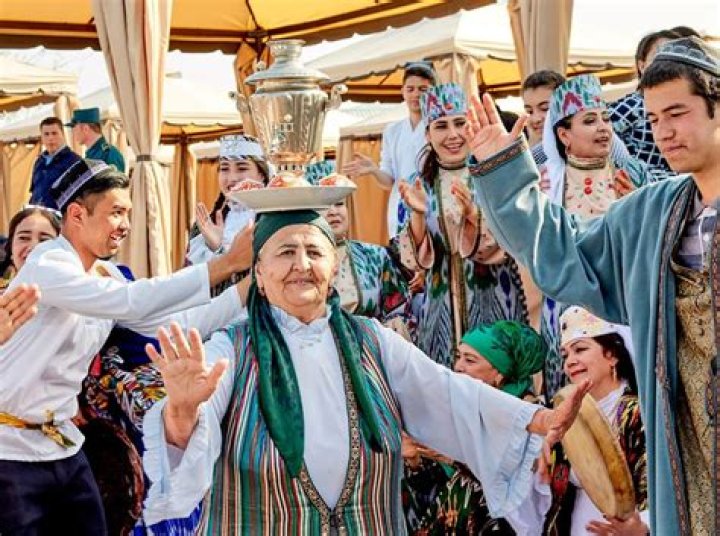
آلب نافروز, also known as Nowruz, is a vibrant and significant celebration that marks the beginning of the Persian New Year. This festival, with its roots in ancient Zoroastrianism, is celebrated by millions across the globe, particularly in countries like Iran, Afghanistan, and parts of Central Asia. It symbolizes the arrival of spring, a time of renewal and rejuvenation, and has been recognized by UNESCO as an Intangible Cultural Heritage of Humanity.
This article delves into the rich history, cultural significance, and the various traditions associated with آلب نافروز. As we explore the multifaceted aspects of this festival, you will discover how it fosters unity among communities, promotes cultural heritage, and brings families together in celebration. Whether you are familiar with آلب نافروز or just curious about this fascinating holiday, this comprehensive guide aims to provide a thorough understanding of its importance and the ways it is celebrated.
The celebration of آلب نافروز is not just an event; it is a profound expression of cultural identity and a reminder of the resilience of communities throughout history. With a blend of ancient rituals and modern practices, آلب نافروز encapsulates the essence of hope and renewal that resonates deeply with people around the world. Join us as we embark on this journey to uncover the beauty and significance of آلب نافروز, a festival that transcends borders and unites hearts.
1. History of آلب نافروز
آلب نافروز has a rich history that dates back over 3,000 years, evolving from ancient practices and beliefs. The festival is believed to have originated with the Zoroastrians, who celebrated the arrival of spring as a time for renewal and rebirth. The name "Nowruz" itself translates to "new day," symbolizing the first day of spring and the start of the year in the Persian calendar.
Throughout history, آلب نافروز has been celebrated by various cultures and civilizations, each adding its own unique flavor to the festivities. From the ancient Persians to the modern-day celebrations, this festival has remained a vital part of Iranian and Central Asian identity, showcasing the resilience and continuity of cultural practices through the ages.
2. Cultural Significance
The cultural significance of آلب نافروز extends beyond mere celebrations. It plays a crucial role in fostering community bonds, preserving traditions, and promoting cultural identity. The festival serves as a reminder of the importance of family, community, and the interconnectedness of all people.
Moreover, آلب نافروز encourages individuals to reflect on their past and look forward to the future. It is a time for forgiveness, renewal, and a commitment to personal growth. Through various rituals and celebrations, participants embrace the spirit of hope and renewal that آلب نافروز embodies.
3. Traditions of آلب نافروز
آلب نافروز is rich in traditions that vary from region to region. Some of the most notable customs include:
- Spring Cleaning (Khaneh Tekani): In preparation for the new year, families clean their homes to symbolize the removal of past negativity and to welcome new beginnings.
- Visiting Family and Friends: It is customary to visit family and friends during آلب نافروز, reinforcing social ties and community bonds.
- Exchanging Gifts: Exchanging gifts, especially sweets and traditional foods, is a way to express love and goodwill.
4. The Haft-Seen Table
One of the most iconic elements of آلب نافروز is the Haft-Seen table, which features seven symbolic items that begin with the Persian letter "S." Each item represents a different aspect of life and renewal. The items typically include:
- Sabzeh: Sprouted wheat or lentils representing rebirth.
- Samanu: Sweet pudding symbolizing power and strength.
- Sir: Garlic representing health and medicine.
- Seeb: Apples symbolizing beauty and health.
- Somāq: Sumac representing the sunrise and the patience of life.
- Senkad: Hyacinth representing the arrival of spring.
- Serkeh: Vinegar representing wisdom and patience.
5. Celebrations Around the World
آلب نافروز is celebrated in various countries, each with its unique customs and traditions. Some of the countries that observe this festival include:
- Iran: The heart of آلب نافروز celebrations, with elaborate festivities and rituals.
- Afghanistan: Celebrated with joyful gatherings, music, and dance.
- Azerbaijan: Known for its colorful fire festivals that symbolize the triumph of light over darkness.
6. Traditional Foods of آلب نافروز
Food plays a central role in the celebrations of آلب نافروز. Traditional dishes are prepared to welcome the new year, and they often include:
- Sabzi Polo: Herb rice usually served with fish.
- Reshteh Polo: Rice with noodles symbolizing the complexity of life.
- Sweets: Various sweets and pastries are prepared to share with family and friends.
7. The Future of آلب نافروز
As the world becomes increasingly globalized, آلب نافروز continues to thrive as a celebration of cultural identity and heritage. Efforts are being made to preserve the traditions associated with this festival and promote its significance to younger generations. With UNESCO's recognition, the festival is gaining more visibility and appreciation worldwide.
8. Conclusion
In summary, آلب نافروز is a festival rich in history, culture, and tradition. It serves as a reminder of the importance of renewal, community, and the enduring spirit of cultural identity. As we embrace the new year, let us carry forward the values of hope, unity, and love that آلب نافروز embodies. We invite you to share your thoughts on this beautiful festival in the comments below and explore more about the rich cultural tapestry of our world.
Thank you for taking the time to learn about آلب نافروز. We hope you found this article informative and inspiring. Join us again for more insights into cultural celebrations and traditions from around the globe.